Archive for the ‘Tips for Home Owners’ Category

Why Bother With a Building Permit?

Wednesday, January 25th, 2012

If you’re thinking of renovating your home in Spruce Grove, Stony Plain, Parkland County, the Edmonton region or elsewhere, there is something you need to read before you even think of visiting the local Home Depot or hiring a contractor.

An article by Mike Holmes in the January 14, 2012 edition of the Edmonton Journal entitled “No building permit? You’re asking for trouble” (posted online as “Before renovating, get the proper permits — or you’ll regret it”) gives the details about why this document is so critical.

In fact, having a building permit is one of the best things you can do to protect yourself and the time and money you invest in a renovation.  That little piece of paper comes with inspections by municipal building inspectors who check the work to see that it’s safe and built to code.

Why is this important?  For starters, you may not know that municipal officials can force you to shut down a project without a permit or even tear down completed work that hasn’t been inspected.  Work that hasn’t been inspected may be fine – but we hear far too many stories about unlicensed contractors doing shoddy work that not only brings down the value of your property but may end up damaging and destroying other properties in your neighborhood.  A permit may cost you a few dollars and a bit of time, but having things done right is worth it.

Read Mike Holmes’ article for the full story.

Looking for property to fix up and rent out or flip?  I can help you find just the right place.  Call me at 780-910-9669, email me at btwynam@telusplanet.net, or contact me here.


How Secure Is Your Home?

Tuesday, January 10th, 2012

Home securityDo you know anyone in Spruce Grove, Stony Plain, Parkland County or the Edmonton region who has been the victim of a burglary?  To ensure that this unpleasant experience never happens to you, take a look at our Home Security Checklist.   

This list may be one of the most comprehensive you will ever find, starting outside your home with a look at your neighborhood in general, outdoor security and valuables, landscaping, exterior lighting, the garage and other outbuildings.  Focusing on your home itself, items to check here include entry doors and locks, windows, the home interior and its contents, and special circumstances, such as alarm systems, firearms, swimming pool safety, and fire safety.  The document concludes with a special checklist just for things you need to consider while on vacation.  Chances are there are a few things on the Home Security Checklist you haven’t thought of doing, and those things just might make your home more secure and less burglar-friendly!

You might also be interested in our Fire Safety Checklist.

Some related blog posts:

Looking for a new home, especially one with more security features?  Call me at 780-910-9669, email me btwynam@telusplanet.net, or contact me here.


Keeping the End in Mind

Tuesday, November 29th, 2011

No matter how short or long a time you spend in your Spruce Grove, Stony Plain, Parkland County or Edmonton area home, there will come a time when you leave it.  If you live in it long enough, it will need to be refreshed, updated, and renovated.  The question is:   Do you renovate it just for yourself, or do you renovate with a sales target in mind?

 The best answer to this question is to think about both goals.  Renovate it for your own taste, pleasure and functional use, but don’t forget that your home will eventually go back on the market and may need to appeal to tastes broader than your own. If you’re looking to maximize the value in your home, both for your own use now and for future resale, what sorts of renovations are the best ones to undertake?

 Ergil & Jackson Appraisals Ltd. in their excellent Home Renovation Guide, 2010 edition, give this advice:

GETTING THE MOST OUT OF YOUR RENOVATIONS


According to the Appraisal Institute of Canada  and various professionals we’ve consulted, the following are a few things to keep in mind before you get started:

Invest in your kitchen!

About 10‐15% of the overall value of the home should be spent on the kitchen. If you don’t plan on selling for another 5 years, spending 15‐25% more on it today will give you about a 44% higher recapture depending on the quality of the renovations. For example, buyers need afunctionally designed, spacious, low maintenance kitchen. Scratch‐resistant, durable materials such as granite countertops and high‐quality appliances add tremendous value and have timeless appeal.

The bathroom is next!

You can expect up to a 60‐80% (and in some cases up to 100%) contribution to value on a well designed bathroom even if that requires a complete relocation of fixtures or walls. From floorto ceiling, new tiles, light fixtures and cabinetry to create one’s own personal spa is especiallyappealing. Luxury fixtures to enhance pampering may include water jets, soaker tubs and double sinks in the ensuite bathroom.

Don’t forget the floors and walls!

The buyer wants a home that’s ready to move into.  Smooth walls with quality, neutral paints will make spaces seem larger and will give you an 80‐110% recapture. Carpeting should be limited to bedrooms, if at all. Hardwood and tiles not only benefit in allergen reduction but add elegance as well.  Good flooring that flows from room to room and ties in with baseboards, cabinetry, walls and so on, can provide a 50‐75% better contribution to value than low‐cost, mediocre flooring.

Spend the money!

As the saying goes “You get what you pay for”.  Over the past year the cost of materials may not have increased dramatically but the cost of labour is certainly rising. Quality craftsmanship and insuring a job well done is key.  Nothing is more costly than having to do it twice or replace it early.  The importance of using the highest quality materials cannot be stressed enough.

Remember: High‐quality, easy maintenance, environmentally conscious products and timeless designs are all essential to ensuring value‐added appreciation with the best contribution to value possible.

Thanks to Ergil & Jackson for allowing me to quote portions of their document.  Please check out their full Home Renovation Guide for plenty of good information and advice.

Wondering what your home is worth in today’s market?  I’d be happy to do a free Home Evaluation for you.  Call me at 780-910-9669, email me at btwynam@telusplanet.net, or contact me here.


Renovating Before You Sell

Monday, November 21st, 2011

Is it a good idea to tackle major renovations just before you put your home on the market to make your Spruce Grove, Stony Plain, Parkland County or Edmonton area home more attractive to buyers? 

Some time ago, I posted a blog entry on this topic (Should You Renovate Before You Sell?  Learn Which Home Renovations Give You the Best Return), giving some details about the costs of various renovations and how much, if anything, those renovations might add to the value of your home when it came time to sell.  This information came from Henderson & Butt’s excellent 2009 Home Renovation Guide.  Well, Henderson & Butt are now Ergil & Jackson Appraisals Ltd., and the 2010 edition of the Home Renovation Guide offers even more great information to help you keep or increase the value of your home.  Many thanks to Ergil and Jackson for allowing me to use information from their guide in my blog posts.

I’ve revised my original blog post to include more current information courtesy of Ergil and Jackson.  To view my revised article, please visit my new blog on Active Rain.   

Are there topics you’d like me to discuss in these blog posts?  I’d love to hear from you.  Call me at 780-910-9669, email me at btwynam@telusplanet.net, or contact me here.


Fire That Old Furnace!

Monday, November 14th, 2011

Most of us don’t give much thought to the furnaces in our Spruce Grove, Stony Plain or Parkland County homes, as long as they keep us warm through the long Alberta winters.  An article in the October 29, 2011 edition of the Edmonton Journal, entitled “A new furnace can save money, and lives”, might just give you reasons to replace the old workhorse in your basement. 

The article points out that, while the initial cost of the newer high-efficiency furnaces is a little steep [expect to pay around $5000 for the purchase and installation of a new, high quality furnace], you’ll save plenty of money over time.  A quote from the article:

“Natural gas prices have more than tripled in the past 10 years and many analysts are forecasting further price increases. Fortunately, the efficiency ratings of new furnaces have also been increasing. Most furnaces installed in the 1970s, ’80s and early ’90s, were only 60-to 70-per-cent efficient, and very old furnaces can be less than 50-per-cent efficient. A continuously burning pilot light can decrease these efficiencies by another five per cent. New furnaces are 90-to 95-per-cent efficient. They do not have pilot lights and can reduce your heating costs by up to 40 per cent.”

But it’s not just money you’ll be saving.  Older furnaces are not very good at filtering dust and allergens from the air in your home.  What’s more, older furnaces can emit dangerous levels of carbon monoxide within your home.

My assistant recently replaced the furnace in her 30-year-old Spruce Grove home and had this to say about the experience:  “We knew it was time.  We’d been reading and hearing a lot about how much better the new furnaces were.  Our old one was still pumping out the heat, with no trouble, really, but we knew it couldn’t go on forever.  What surprised us was how much better the air circulated through the house with the new furnace – far fewer cold spots.  We used to have to wrap up in blankets for TV watching in our basement family room, or turn on the gas fireplace, but no more!  The basement is as cozy as the rest of the house.  But what really sold us on the new furnace was something we weren’t expecting at all.  Our son always gets stuffed up and sneezy when he comes to visit because he’s allergic to cats, but the new furnace has taken all of that away.  Now, that’s impressive, and definitely made us happy about our purchase!”

It’s not too late to replace your old furnace before the really nasty winter weather hits.  Learn more about the benefits of the new high-efficiency furnaces by checking out “A new furnace can save money, and lives”.

Comments or questions about this article?  Call me at 780-910-9669, email me at btwynam@telusplanet.net or contact me here.


Winter Isn’t For Wimps!

Friday, October 21st, 2011

In the Spruce Grove, Stony Plain and Parkland County region of Alberta, we know it comes every year, and we spend about half the year in winter-like conditions.  Still, it always seems to catch some people by surprise. 

Take these steps now to make your house winter-worthy, and save some money and the environment at the same time:

Home heating

  • We’ve heard this before and it still works:  Turn down the heat a few degrees to save energy and money.  When you’re chilly, put on a sweater, socks and slippers, and sip a hot drink, instead of cranking up the thermostat!  Have you heard of the “Triple 8 Equation”?  Decrease the thermostat by 8 degrees for 8 hours each day and reduce costs by 8%.
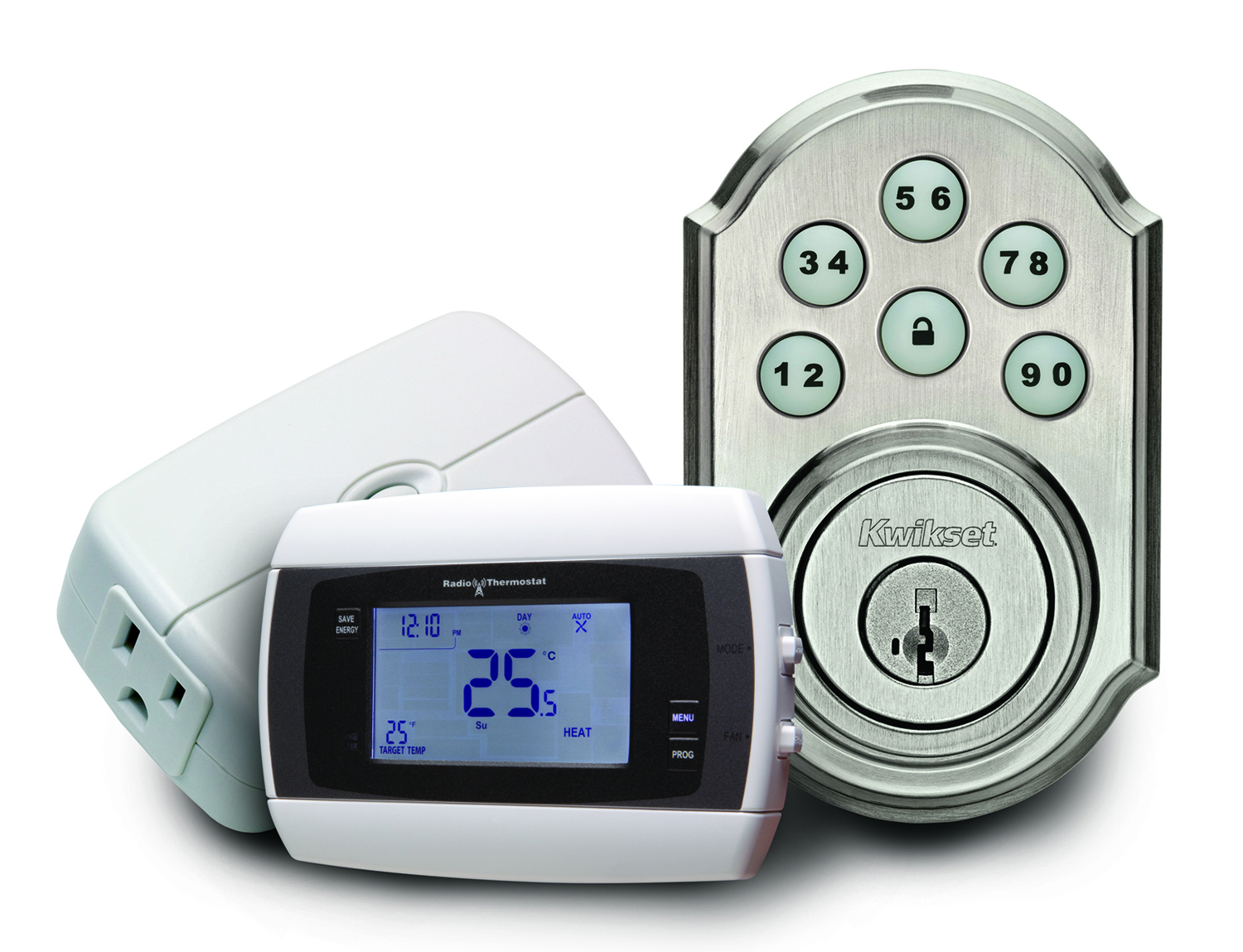
  • Install a programmable thermostat and set it to raise and lower the temperature when needed.  For example, set the thermostat to lower the heat while people are away through the day, and raise it a little about a half hour before the family arrives home.
  • If you have a ceiling fan, you might have thought of it as a summer-only accessory.  Reverse the fan to a clockwise rotation so that the warm air is pushed downward and circulates more freely.
  • Let the sun in during the day.
  • Cook more at home!
  • It is possible to vent your electric dryer inside your home to take advantage of the heat and humidity.  (But be careful with this one!  Too much humidity could create a mould problem.)
  • Use your dryer for consecutive loads of laundry.  This conserves the energy that would be needed to heat up the dryer several times.

Furnace:

  • Clean and vacuum heating ducts, grilles, registers and ceiling fans.  Clean and replace the furnace filter in early fall and once a month during the winter months when it is in constant use.  Consider upgrading to an electrostatic filter for cleaner air.
  • Check your furnace’s humidifier, if it has one.  Clean the filter and ensure water is turned on.
  • It’s a good idea to have furnaces cleaned and tuned annually.
  • Make sure your cold air returns are not blocked. 
  • If your furnace is more than 10 years old, it’s a safe bet that it’s not using fuel efficiently.  Although initially pricey to install, a new high-efficiency furnace will pay for itself over time in lower heating bills and less harm to the environment.  Added bonus:  better circulation of air means fewer cold spots throughout your home, and cleaner air resulting in fewer sniffles and sneezes caused by allergies to dust and pet dander.

Fireplace and chimney:

  • While your fireplace chimney may not need to be swept each year, it’s a good idea to at least have it inspected before you use your fireplace to ensure that nothing has become lodged in it.
  • If you use a wood stove for heat, your chimney will need to be cleaned regularly.  Not doing so can have serious consequences:  fire, carbon monoxide poisoning and the like.
  • When not in use, keep the chimney damper closed to keep out cold air.

Insulation

Attic:

Since warm air rises, a great deal of heat escapes from the top of the house.  If you can see ceiling joists in your attic, you don’t have enough insulation.  Besides the amount of insulation, consider insulation r value. The higher the r value, the more effective the insulation material is, both against incoming cold and movement of heat.

The most common types of insulation used in attics are fiberglass insulation in rolls, batt insulation, or blown insulation.  When adding insulation, remember the following:

  • Blow in insulation is most effective, but messy to install; hiring an insulation contractor is your best bet. By contrast, fiberglass batts laid sideways over existing insulation is a fast, easy DIY home project alternative. Handyman tip:  Most older homes have somewhere between 3 to 6 inches of fiberglass blanket insulation, roughly equal to an r value of 9 to 19.
  • When adding insulation, make sure soffit venting is not blocked.
  • Check around light fixtures and along the tops of interior walls in your home for air leakage.  There must be a tight air barrier to ensure warm moist air from inside your home does not get into the cold attic.  This causes condensation in the winter, increasing the risk of mould.

Basement:

Interior insulation can be used in a dry basement, whether finished or not. When finishing off the basement, use batt insulation in stud cavities for walls and ceiling, or extruded polystyrene insulation on the face of perimeter walls. For unfinished basements, install rolls of polyethylene-encapsulated fiberglass over the walls.

Keep in mind that insulating basement walls will help keep cold out and lower heating costs during the long winters, but there are disadvantages to consider.

  • Any moist air moving through the wall may cause condensation.
  • Due to the moisture barrier on the foundation wall and vapor retarder on the room side of the insulation, the wall’s drying potential will be hindered.

Never install interior insulation in a damp basement.  Address moisture entry problems before insulating.

Keep the heat in

  • Check for cold air entry points:  areas in your house where cold air can seep in and inside heat escape out.  Check external wall electrical outlets, switch-plates, gaps around windows and doors (especially sliding glass patio doors).  Outside of the house, check outlets, outdoor faucets, pipes, and along foundation walls.
  • Use felt door weather-stripping around the sides and tops of doors.  Install a door sweep along the bottom of the door on the inside. Make sure the threshold (or saddle) is in good condition; otherwise, have it replaced.
  • Replace window coverings with thermal drapes.  These not only keep the heat in during the winter, but they keep the heat out in the summer.
  • Although expensive, it might be worth it over time to replace the windows themselves with newer, energy-efficient models, especially if your home is more than 30 years old. If new windows are not an option, use window weather-stripping and/or purchase a window insulation kit – about $3 per window.
  • To seal up cracks around windows, perimeter walls, and around wall sockets, use standard caulking. Fortify drafty wall sockets with foam pads made for that purpose. To seal exterior cracks around the perimeter of the home, use caulking appropriate for use in temperatures below minus 40 degrees. Caulking will help to keep cold air from entering the house interior. While the estimated cost of caulk runs about $10 per tube, annual energy savings total up to $100 on average.

Lighting and power

Holiday lights:

  • Manually turn off lights, or better yet, put them on a turner so they turn off automatically, when everyone goes to bed.
  • Invest in LED strings of lights – 95% more energy-efficient than ordinary lights and last up to 7 times longer.

Lightbulbs in lamps and light fixtures:

  • Switch to smart bulbs.  A 20- to 25-watt energy-saving bulb can last up to 10 times longer than a normal bulb, uses up to 75% less energy, provides as much light as a 100-watt ordinary bulb.  The new 7-watt LED bulbs have an added advantage:  no fire hazard because they give off no heat.

Electronics:

  • If it’s plugged in, it’s using power.  If you’re not using a piece of equipment, unplug it and/or turn off power bars.

Appliances:

  • Try to schedule the use of washers, dryers and dishwashers during off-peak hours (after 7 PM on weeknights or on weekends) when demand is lower and the cost of electricity is less.

Water and drainage

  • Drain and turn off outside taps.  Drain all garden hoses and neatly store for the winter.
  • Check and clean out eavestroughs and gutters and make sure the path is clear for spring run-off.  Spring does eventually come!
  • Check your roof while you’re at it.  Missing or worn shingles not only let water seep in during the summer months, they also allow heat to escape.
  • While not strictly a winter-time preparation, as long as you’re checking out various home systems, why not repair all water leaks anywhere in your home.  Better still, consider switching to efficient faucets which use up to 70% less water with the same pressure as traditional faucets, low-flush toilets, and low-flow showerheads.  If your water heater needs to be upgraded, consider installing a tankless water heater.

Just in case…

  • Check that you have workable carbon monoxide alarms and smoke alarms (test them with an actual bit of smoke) throughout your house, and put in fresh batteries.  Check your fire extinguishers also:  one for the kitchen, one for the garage, one for the basement, at minimum.
  • Buy indoor candles (or lanterns) and matches or lighter for use during a power outage, especially if you live in a rural area.  You might even want to consider purchasing a gas-powered electric generator.
  • Tape the phone numbers for your utility companies near your phone or inside your phone book.
  • Buy a battery back-up to protect your computer and sensitive electronic equipment.
  • Store extra bottled water and non-perishable food supplies (don’t forget your pets!), blankets and a first-aid kit in a dry and easy-to-access location.
  • Prepare an evacuation plan in case of emergency.
  • Before winter hits, round up all your winter gear:  snow shovels and brushes, sandbags, toques, mitts, boots….

Anything I can help you with?  Call me at 780-910-9669, email me at btwynam@telusplanet.net, or contact me here. 

Home Inspection Revisited

Tuesday, October 18th, 2011

When you bought your home in Spruce Grove, Stony Plain, Parkland County or the Edmonton area, you probably had it inspected to ensure that you weren’t buying someone else’s maintenance headaches.   In an Edmonton Journal article published October 1, 2011 (“Why you need your home inspected now), Mike Holmes makes a strong case for what he calls the maintenance inspection:  getting your home inspected on a regular basis – as often as every 3 years – to determine what, if any, repairs need to be done to your home.  The report generated from the inspection will give you a timeline on when the work should be done along with a rough estimate of the cost.  As Mike Holmes points out, the best way to protect the biggest investment you’ll ever make is through preventive maintenance, and spending a few hundred dollars now on an inspection could save you thousands in costly repairs later on.  Read the article for more reasons why you should revisit your home inspection.

Comments or questions about this article?  Call me at 780-910-9669, email me at btwynam@telusplanet.net, or contact me here. 


Fire Safety in Your Home

Friday, October 14th, 2011

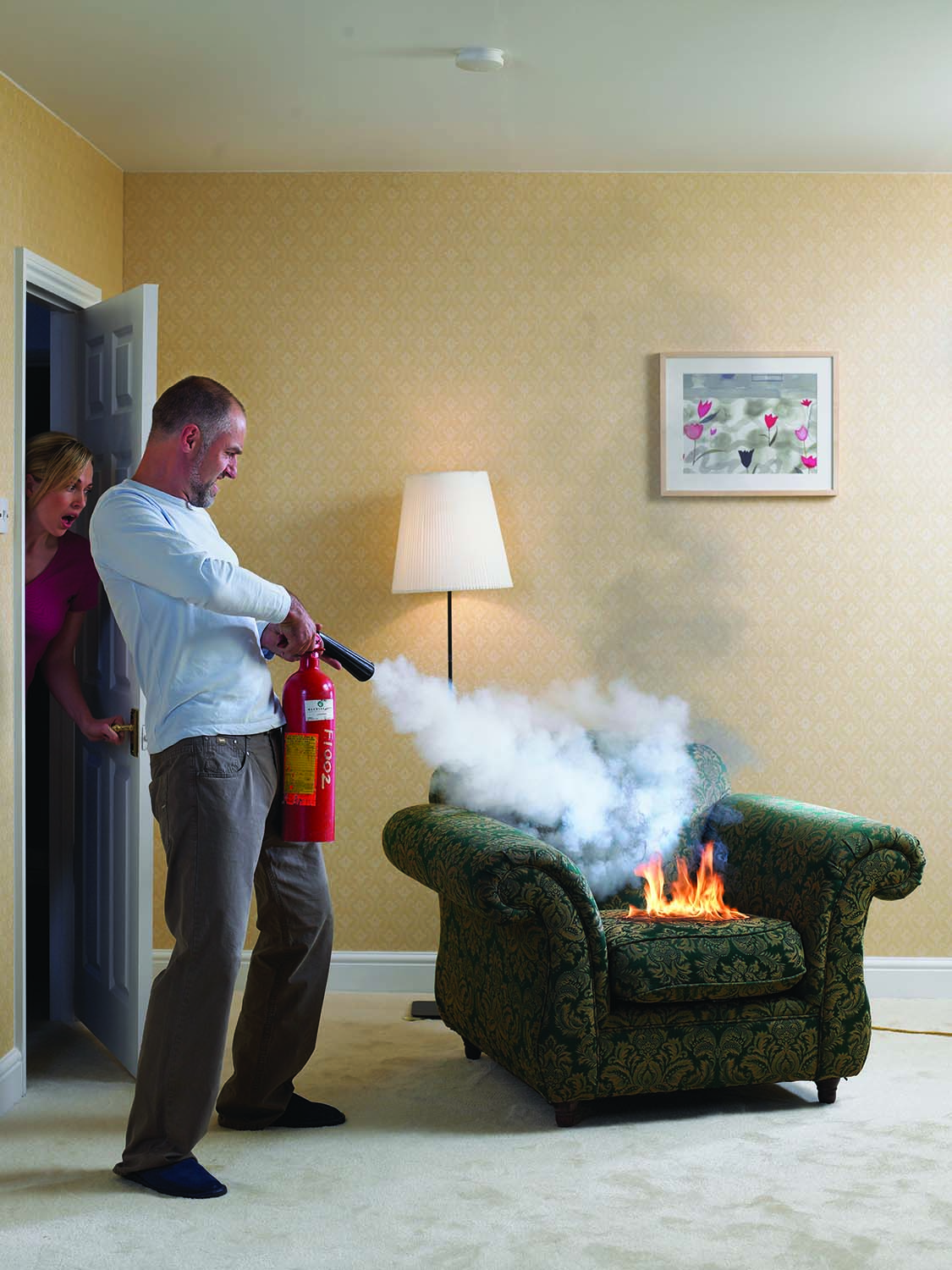
An article by Mike Holmes in the October 8, 2011 Edmonton Journal entitled “Simple lint can be serious fire hazard” [reprinted from an earlier article called “Lint isn’t just fluff; it’s a fire hazard”, Edmonton Journal.com, September 29, 2011] reminded me that October is Fire Safety Month in Canada.  Is your home in Spruce Grove, Stony Plain, Parkland County or the Edmonton area as fire-safe as it could be?  Use this handy checklist put together by a member of my team to find out.

Fire Safety Checklist

Smoke Alarms, Carbon Monoxide Detectors, Fire Extinguishers, Escape Plan

___ We have at least one smoke alarm newer than 10 years old on every floor.  (Ideally, also an alarm in or near every sleeping area, near the family room and kitchen, at the top of each stairway, in the garage, wired in with battery backup.)

___ Carbon monoxide detectors newer than 7 years old are located in the same areas as smoke alarms, with an additional one near the furnace.

___ Batteries in smoke alarms and carbon monoxide detectors are changed twice a year.

___ We test the alarms every 3 months.

___ We have emergency flashlights with fresh batteries in every bedroom and the kitchen.

___ There are fire extinguishers in the kitchen, garage, basement, and near each fire source (fireplace, wood-burning stove).  These are checked or inspected on a regular basis, and someone in the home knows how to use them.  (One in each vehicle is a good idea too.)

___ We avoid accumulating clutter, especially combustible waste.  Items of this type are never stored near a heat source or near the furnace or hot water heater, and we ensure that we have clear paths to all exits.

___ As a family, we regularly practice our escape.  All family members know what to do in case of fire or other emergency.

Fire and Heat Sources

___ Our wood-burning fireplace/stove is properly ventilated and there is adequate fresh air intake.

___ Our fireplace has a screen to prevent sparks, and we dispose of ashes in metal containers.

___ Our wood-burning fireplaces/stoves and their chimneys are cleaned and inspected every year.

___ Space heaters are kept at least 3 feet from flammable/combustible items, and they are placed where they cannot be knocked over.

___ Heat sources of any kind, including the kitchen stove, are never left unattended when in use.

___ We make sure things that can burn, such as dishtowels, paper or plastic bags, curtains and loose fitting clothing, are at least 3 feet away from the range top when we are cooking.

___ Our barbecue grill is at least 3 feet away from the house and any combustibles when in use.

Flammables

___ Flammables are stored in original, marked containers away from sources of heat or flame.

___ If we must store gasoline and similar fuels at home, we do so in special safety containers, and never in the house.

___ We store matches and lighters in a locked cabinet or similar secure location out of reach of children.

___ We do not allow smoking in our home.  But, if we did, there would be deep wide ashtrays available; lit cigarettes would never be left unattended; ashtrays and furniture would always be checked before we leave the house or go to bed; smoking is never done in bed.

___ Candles are used only by adults, out of reach of children and pets, placed in sturdy and stable holders made of glass or metal well away from flammable items, and never left unattended.

___ The lint trap on our clothes dryer is cleaned after every load of laundry, and dryer ductwork is cleaned and inspected every year.

Electrical

___ Kitchen appliances, such as the kettle, coffee-maker, toaster oven and microwave, are plugged into separate outlets.

___ There are no frayed or cracked cords or exposed wiring in our home.

___ There are no outlets or switches that are unusually warm to touch.

___ All outlets and switches have cover plates so that no wiring is exposed.

___ No outlet has a smudge mark indicating that an electrical short has occurred around the socket where plugs are inserted.

___ Light bulbs are the appropriate size and type for the lamp or fixture.

___ No extension cord carries more than its proper load, as indicated by the rating labeled on the cord and appliance.  Cords are never run under rugs or hooked over nails, and are not used as a permanent solution.

___ We keep “air space” around electronic items such as TVs, stereos, computers, etc.

___ We replace any electrical tool or appliance if it causes electrical shocks, overheats, shorts out, or gives off smoke or sparks.

___ We keep electrical appliances away from wet floors and counters, and we take special care with electrical appliances in the bathroom and kitchen.

Your comments and questions are always welcome!  Call me at 780-910-9669, email me at btwynam@telusplanet.net, or contact me here. 


Don’t Get Hung Up On Picture Hanging!

Friday, October 7th, 2011

You’ve moved into your great new home in Spruce Grove, Stony Plain, Parkland County or the Edmonton area.  The furniture is in place and you’re ready to add those personal decorative touches that will make this house reflect you in a unique way.

Most of us enjoy having artwork and family photos on the walls, but how many of us know the right way to place those items to show them off to their best advantage and to complement the other decorative elements in a space?  Some of the things we’re often guilty of is hanging artwork too high, or choosing artwork that is too big or too small in relation to the space it will be placed in, or the furniture it will be near.  There is an art to hanging art, and it’s more than banging a nail into a wall and then slapping a picture on the nail!

I’m sure you’ve visited homes where the artwork on the walls just feels right.  The colors and dimensions of the pieces work well with the room and its furnishings, and your eye is drawn again and again to the pieces.  That’s the design part of the project, and you can learn how to do it!  Here are two websites that will help you to develop your artist’s eye:

Hanging art in your home – Design Lesson – Decorating & Design – Style at Home

28 Tips for Hanging Art

After you’ve decided what you want to hang, the science part of hanging stuff on walls enters the picture, so to speak!  Here are a few tips to give your artwork and photos gallery-like exposure:

Where?  Placement on the Wall:

How?  Attaching it to the Wall:

Lots of articles to read through, but also lots of great information to make you an expert picture hanger!

Still looking for that picture-perfect property?  Let me help!  Call me at 780-910-9669, email me at btwynam@telusplanet.net, or contact me here


DIY TV

Thursday, September 29th, 2011

Where do you go to get information for renovation projects?  The television set in your home in Spruce Grove, Stony Plain, Parkland County and the Edmonton area is probably not your first choice, but flipping through the channels these days reveals something surprising:  Among the many sports, movie and mainstream networks, there are a large number of worthwhile programs and even whole networks offering valuable information to homeowners.  Check out some of these offered in the Spruce Grove/Stony Plain/Edmonton area by Shaw Cable and TELUS Optik TV.  A little disclosure:  After you’ve checked them out, let me know what you think because I admit I haven’t seen most of them myself!

A & E

(Shaw 25, HD 233; Telus 170, HD 670)

$100 Makeover, Disaster Guy, Drill Team, Fix This Kitchen, Fix This Yard, Flipping Vegas, Flip This House, Hoarders, Sell This House

CBC  (Click on Find a Program)

(Shaw 4, HD 209; Telus 4, HD 618)

All for One With Debbie Travis, Steven and Chris

Discovery Channel  

(Shaw 32; Telus 200)

Canada’s Worst Handyman

DIY Network  (Click on Shows A-Z)

(Shaw 136; Telus 144)

A whole network of house-related programming, such as:  Decked Out, The Dirt on Gardening, Disaster DIY, DIY Hot List Kitchens & Baths, Dream House, Garage Mahal, Holmes on Homes, House Crashers, I Hate My Kitchen, Man Caves, Rehab Addict, Turf War, Wasted Spaces, Weekend Handyman, Yard Crashers, and many, many more.

HGTV 

(Shaw 19, HD 231; Telus 142, HD 680)

Too many shows to list them all here!  A few of the more popular:  Colin & Justin’s Home Heist, Debbie Travis’ Painted House, Gardening by the Yard, Holmes on Homes, Holmes Inspection, House Hunters, Property Virgins, Real Renos, Sarah’s House.  Many more.

OWN (Oprah Winfrey Network)

(Shaw 92; Telus 202, HD 651)

Divine Design, Home Takeover with Simon & Tomas

PBS

(PBS Spokane on Shaw 22, HD 204; Telus 23, HD 607 Seattle

PBS Detroit on Shaw 81

PBS Boston on Telus 54, HD 629)

HandyMa’am with Beverly DeJulio, The Perennial Gardener with Karen Strohbeen, The Router Workshop, This Old House, The Woodwright’s Shop

Slice  (Click on Shows)

(Shaw 33; Telus 141)

Family Renovation, House Poor, Shotgun Reno, Till Debt Do Us Part

TLC The Learning Channel

(Shaw 35, HD 236; Telus 140, HD 671)

Hoarding: Buried Alive, Home Made Simple, Kitchen Boss, Spouse vs. House

W Network

(Shaw 34; Telus 146)

The Agents, All for Nothing, Anna & Kristina’s Grocery Bag, Building Bryks, Candice Tells All, Colour Confidential, Divine Design, Grin and Build It, Help My House is Falling Down, Home Wreckers, Inside the Box, Love It Or List It, Making House, Million Dollar Decorators, My House Your Money, Property Brothers, Take This House and Sell It

Not strictly related to houses and real estate but still very much related to home, so we have to give an Honorable Mention to:

The Food Network 

(Shaw 29; Telus 143)

Ace of Cakes, Barefoot Contessa, Chef at Home, Eat Shrink and Be Merry, Family Restaurant, French Food at Home, Iron Chef America, Jamie’s Meals in Minutes, Restaurant Makeover, The Best Thing I Ever Ate, Tough Cookies, and much more!

This list isn’t intended to be comprehensive, but if I’ve missed anything that really should be on it, please let me know!

I’d love to help you find a house to turn into a home.  Call me at 780-910-9669, email me at btwynam@telusplanet.net, or contact me here


Barry Twynam, Realty Executives Leading
#1 14 McLeod Avenue, Spruce Grove, Alberta, T7X 3X3
Tel: 780-962-9696 Cell: 780-910-9669 Fax: 780-962-9699
© Copyright 2011, Real Estate Websites by Redman Technologies Inc. | Privacy Policy | Sitemap
The data included on this website is deemed to be reliable, but is not guaranteed to be accurate by the REALTORS® Association of Edmonton
MLS® MLS REALTOR® Realtor
Trademarks used under license from CREA